Boreal Forest Ecology & Wild Berries in Canada
A field-level reference on Canada's boreal zone — covering forest floor composition, native fruit-bearing shrubs, moss and lichen layers, and the ecological relationships that define one of the world's largest terrestrial biomes.
Forest Floor BiodiversityCanada's Boreal: 270 Million Hectares of Living System
Stretching from Yukon to Newfoundland, Canada's boreal forest accounts for roughly 28 percent of the world's boreal zone. The forest floor below the spruce canopy holds a dense community of mosses, lichens, sedges, and low-growing berry shrubs that form the nutritional base for wildlife and the structural foundation of peat accumulation.
Read the overviewReference Articles
Topics in Boreal Ecology
Three detailed reviews of the ecological components that define Canada's boreal forest, from the ground layer upward.
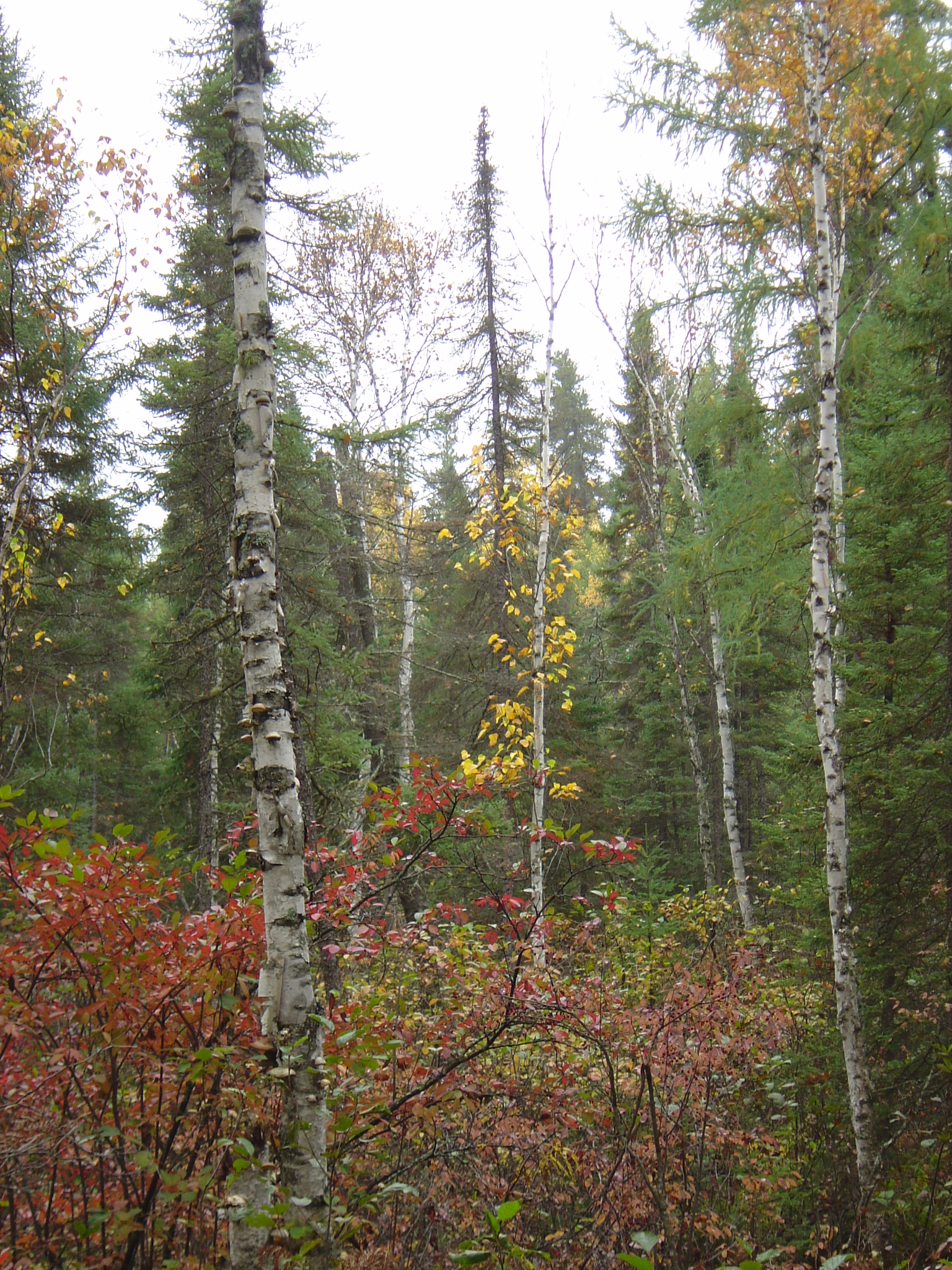
Ecology
Boreal Forest Floor Biodiversity in Canada
A review of the moss, lichen, sedge, and shrub layers that form the ground stratum of Canadian boreal forests, with notes on species distribution and seasonal function.

Botany
Native Wild Berries of the Boreal Zone
An identification and ecology guide to lingonberry, cloudberry, wild blueberry, and other native fruit-bearing species found across Canada's boreal and sub-boreal landscapes.

Forest Science
Black Spruce and Sphagnum Bog Ecosystems
Black spruce and sphagnum moss co-dominate much of Canada's lowland boreal. This article covers how the two organisms shape water retention, carbon storage, and permafrost dynamics.
The Ground Layer as Ecological Foundation
In most boreal stands, the canopy receives the most attention — but the ground layer is where carbon exchange, moisture regulation, and nutrient cycling are concentrated. Sphagnum alone can hold up to 20 times its dry weight in water, making it a key determinant of site hydrology across millions of hectares.
Read moreSpecies Profiles
Key Species of the Boreal Floor

Lingonberry (Vaccinium vitis-idaea)
Evergreen dwarf shrub with small, oval, leathery leaves. Produces tart red berries in late summer. Widespread from Atlantic Canada to British Columbia in well-drained boreal sites.

Cloudberry (Rubus chamaemorus)
An amber-coloured aggregate fruit produced by a low herbaceous plant in open bogs and wet tundra margins. Restricted to northern latitudes; fruits ripen July through August.

Reindeer Lichen (Cladonia rangiferina)
A pale grey-green fruticose lichen that carpets dry, sandy boreal sites. Grows slowly — roughly 3–5 mm per year — and serves as a critical winter forage for caribou.
Labrador Tea and the Understory
Rhododendron groenlandicum (formerly Ledum groenlandicum) is one of the most consistent indicator species of wet boreal and subarctic sites in Canada. Its leathery, rust-woolly leaves and white flower clusters are recognizable from early June onward. Like many ericaceous shrubs in the boreal, it thrives in the highly acidic, low-nutrient soils created by sphagnum accumulation.
Understory ecologyExplore the Full Reference Archive
Wild Berries GuideContact
Get in Touch
For editorial inquiries, corrections, or to submit information relevant to boreal ecology in Canada.